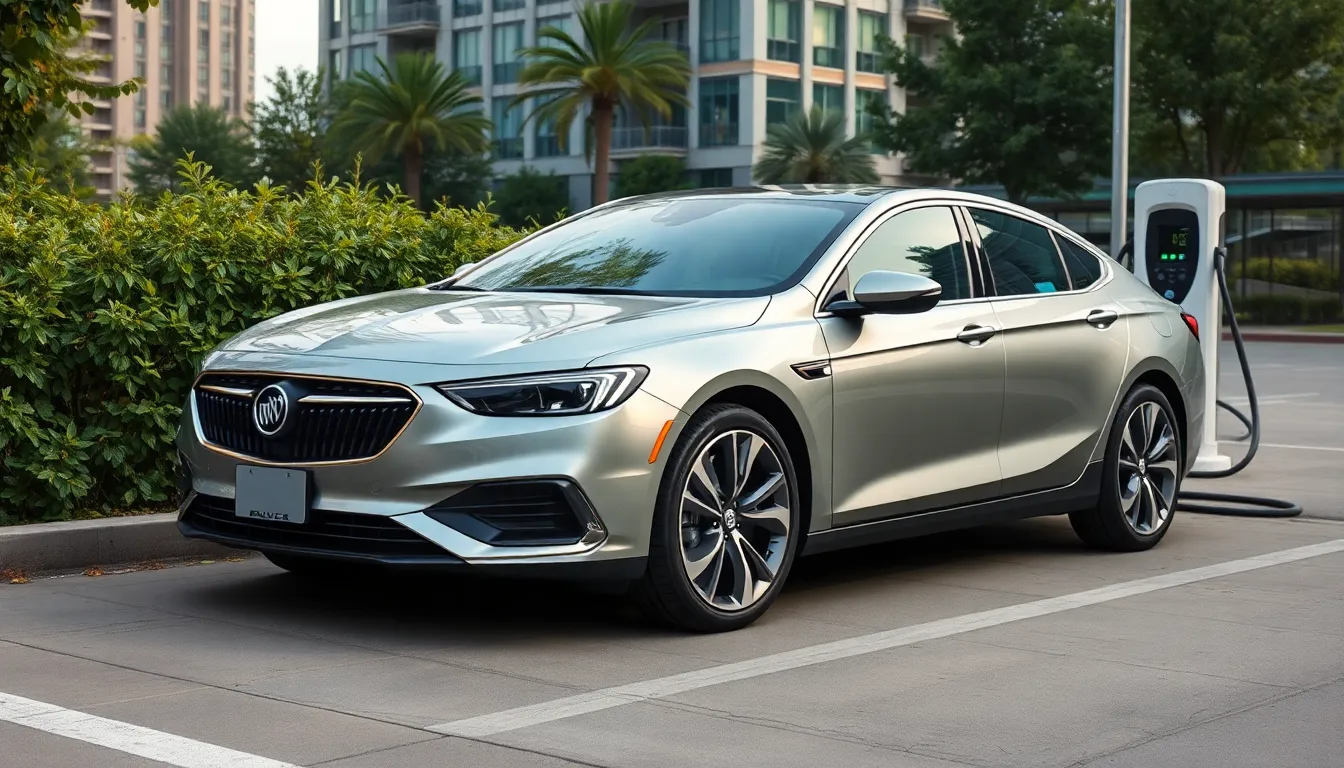
Imagine cruising down the highway in a fleet of electric vehicles, silently gliding past gas-guzzlers while saving the planet one mile at a time. This isn’t just a dream; it’s the future of transportation that’s charging ahead faster than a toddler on a sugar high. With advancements in technology and a growing commitment to sustainability, electric vehicles are transforming the way businesses operate.
Overview of Fleet of Electric Vehicles
The fleet of electric vehicles represents a significant transformation in transportation. Corporations increasingly adopt electric vehicles for commercial use to enhance environmental sustainability. Companies reduce carbon emissions by integrating electric vehicles into their operations.
Data indicates that electric vehicle sales skyrocketed 66% in the United States in 2022, demonstrating a robust shift toward greener alternatives. Fleets composed of electric vehicles provide benefits such as lower operating costs, fewer maintenance requirements, and access to government incentives.
Municipalities pilot electric vehicle programs to update public transportation systems, thereby improving air quality in urban areas. Researchers report that electrifying delivery fleets can reduce greenhouse gas emissions by up to 60%.
Utilizing electric vehicles often leads to significant savings on fuel by adopting energy-efficient charging practices. Manufacturers create more models, catering to various sectors like logistics, ridesharing, and public transit.
Innovations in battery technology continue to enhance performance, boosting range and charging speed for electric vehicles. The infrastructure supporting electric vehicles expands rapidly, with an increase in charging stations across the country.
Adoption contributes to the overall market growth, with projections estimating a 13% compound annual growth rate for electric vehicles from 2023 to 2030. Stakeholders in transportation recognize the long-term advantages of operating fleets of electric vehicles.
Benefits of Switching to Electric Fleets
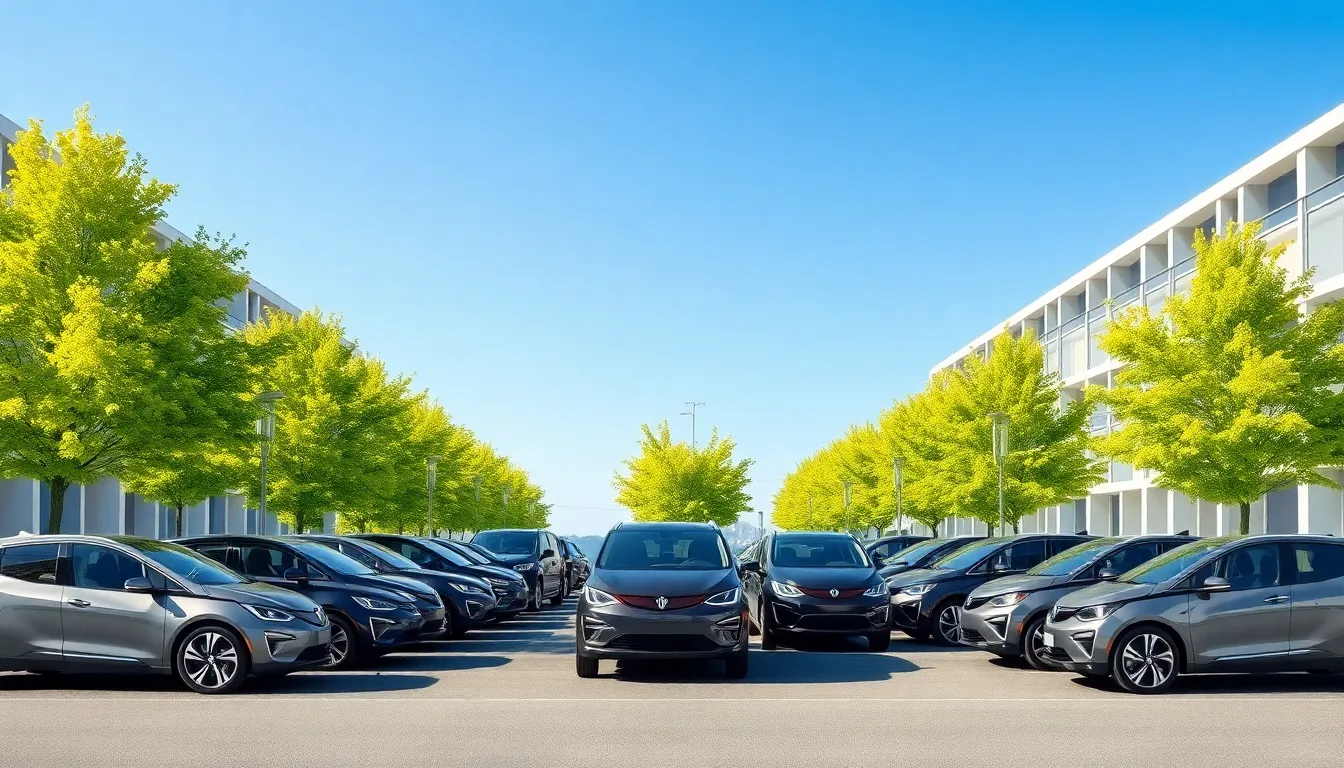
Electric fleets provide numerous advantages that contribute to both financial and environmental goals. The transition to electric vehicles presents compelling reasons for businesses to make the switch.
Cost Savings and Efficiency
Lower operating costs represent a significant advantage for electric fleets. Savings on fuel expenses emerge as energy-efficient charge rates contribute to reduced overall operational expenditures. Maintenance costs also decrease, as EVs feature fewer moving parts compared to traditional vehicles. Government incentives further enhance financial viability, encouraging fleet managers to invest in electric options. With electric fleets, expenses associated with fuel can shrink by 60%, maximizing budget efficiency.
Environmental Impact
A strong environmental impact accompanies the transition to electric fleets. Electric vehicles can reduce greenhouse gas emissions by up to 60%, significantly improving urban air quality. Transitioning to EVs helps reduce reliance on fossil fuels, promoting a more sustainable future. Public perception shifts favorably as companies adopt greener practices. Operational changes towards electric fleets align not only with corporate social responsibility but also with global sustainability goals.
Key Considerations for Implementing Electric Fleets
Implementing a fleet of electric vehicles requires careful planning and consideration of various factors. The following aspects play crucial roles in ensuring a successful transition.
Charging Infrastructure
Charging infrastructure serves as the backbone of electric fleets. Access to reliable charging stations significantly influences fleet operation efficiency. Companies need to assess the availability of charging locations and consider time for vehicle charging. Installing on-site charging stations can further enhance convenience, allowing vehicles to charge during non-operating hours. Maintenance schedules should also align with charging cycles, maximizing vehicle uptime. Since infrastructure is rapidly expanding, corporation partnerships with charging networks can improve access and reduce costs.
Vehicle Selection and Range
Vehicle selection directly impacts fleet performance and operational efficiency. Range considerations determine how far an electric vehicle can travel on a single charge, influencing daily routes and operational planning. Companies should evaluate specific operational needs and select vehicles that fit those requirements. Multiple electric vehicle models should be assessed for efficiency, payload capacity, and suitability for respective tasks. Understanding battery capacity is important, as it influences range and performance during high-demand periods. Implementing a comprehensive strategy for vehicle selection ensures that fleets remain efficient and effective in their operations.
Case Studies of Successful Electric Fleets
Numerous companies have made strides in electric vehicle adoption, showcasing the effectiveness of electric fleets. For example, UPS operates more than 1,000 electric delivery vehicles across its network. This initiative aims to enhance sustainability while significantly lowering carbon emissions.
Another notable case is Amazon. The company committed to deploying 100,000 electric vans by 2030 as part of its efforts to minimize its environmental footprint. Early reports indicated that these efforts could lead to a 20% reduction in the company’s overall emissions.
Cities also participate in the electrification of their fleets. Los Angeles utilizes an expanding fleet of electric buses, intending to transition its entire public transit fleet to zero-emission vehicles by 2030. This commitment reduces greenhouse gas emissions and improves urban air quality, demonstrating the positive impacts of electric public transportation.
Additionally, FedEx has embraced electric vehicles within its logistics operations. The company announced plans to invest $2 billion in electrification, which includes converting 50% of its pickup and delivery fleet to electric by 2030. Through this transition, FedEx expects to reduce its carbon footprint and increase operational efficiency.
Municipalities like Seattle are implementing electric vehicles for city services, including waste management. Transitioning to electric refuse trucks helps the city decrease noise pollution and improve air quality for residents. The successful integration of electric vehicles in various municipal operations highlights the versatility of this technology.
Each case study provides valuable insights into the broader trend of fleet electrification. Companies and cities can leverage these examples to foster adoption strategies that achieve sustainability goals while improving operational efficiencies.
The rise of electric vehicle fleets marks a pivotal moment in the evolution of transportation. As organizations and municipalities embrace these sustainable alternatives, they not only enhance their operational efficiency but also contribute to a cleaner environment. The financial and environmental benefits of electric fleets are clear and compelling, driving a significant shift in public perception and corporate responsibility.
With advancements in technology and expanding infrastructure, the transition to electric vehicles is set to accelerate. As more companies recognize the advantages of electrification, the future of transportation looks increasingly green. The commitment to sustainability and innovation will undoubtedly shape a better tomorrow for urban mobility.