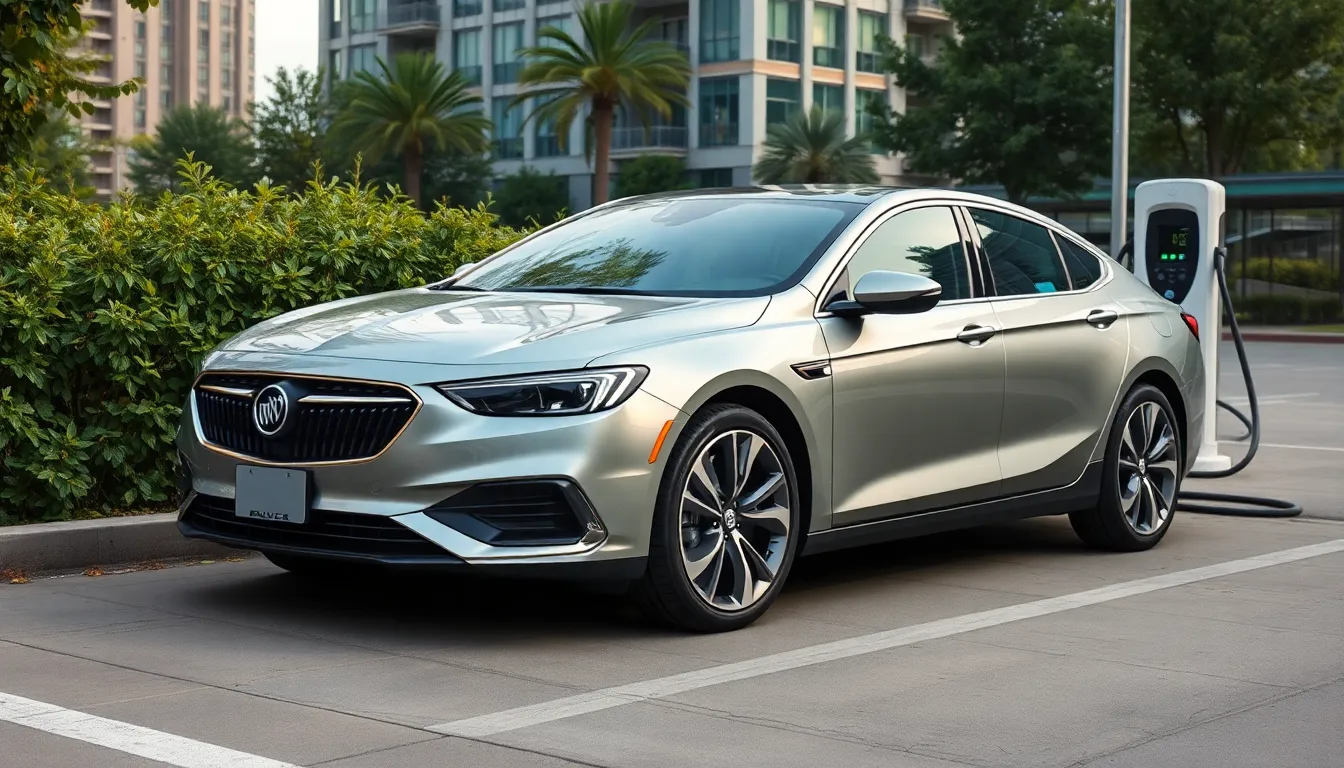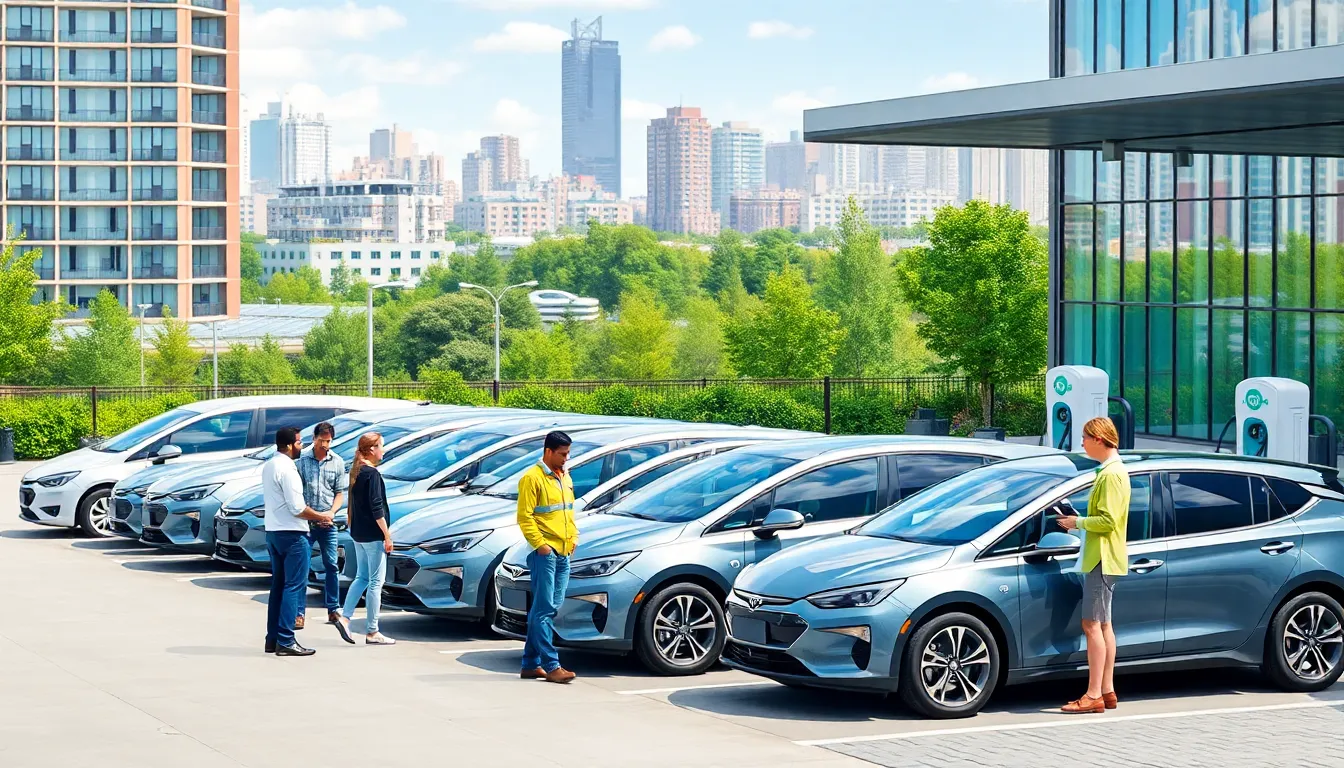
In a world where gas prices are skyrocketing faster than a squirrel on espresso, fleet management is shifting gears toward electric vehicles. Businesses are discovering that going green isn’t just good for the planet; it’s also good for the bottom line. With advancements in technology, electric vehicles are no longer just a futuristic dream; they’re the smart, cost-effective choice for fleet managers everywhere.
Overview of Fleet Management Electric Vehicles
Fleet management is increasingly incorporating electric vehicles to capitalize on cost savings and sustainability. Many industries recognize the potential for reduced operational costs with electric vehicles. Businesses can significantly lower fuel expenses and maintenance costs due to fewer moving parts compared to traditional internal combustion engine vehicles.
Recent data from the U.S. Department of Energy indicates that electric vehicles (EVs) can reduce fuel costs by up to 70 percent. Fleet operators benefit from convenient charging infrastructure, which is becoming more widespread. Increased availability of public charging stations and incentives for installing workplace chargers enhances access to electric vehicles.
Advanced telemetry systems enable real-time monitoring of vehicle performance and battery levels. These systems provide managers valuable insights into driving patterns and efficiency. More importantly, fleet management software offers tools designed to streamline operations, including route optimization and energy consumption tracking.
Regulatory changes also play a critical role in the transition to electric fleets. Many governments provide financial incentives, such as tax credits, rebates, and grants, to encourage businesses to adopt electric vehicles. Rapid advancements in battery technology further enhance electric vehicle performance and extend their driving range, alleviating range anxiety among fleet managers.
Adopting electric vehicles supports corporate sustainability goals. Stakeholders increasingly prioritize environmental responsibility, making electric fleets more appealing. Businesses committed to reducing their carbon footprint can gain a competitive advantage.
Embracing electric vehicles in fleet management presents numerous advantages, such as cost savings, operational efficiency, and environmental benefits. The shift toward electrification fosters a sustainable future while enhancing fiscal viability for fleets across various sectors.
Benefits of Electric Vehicles in Fleet Management
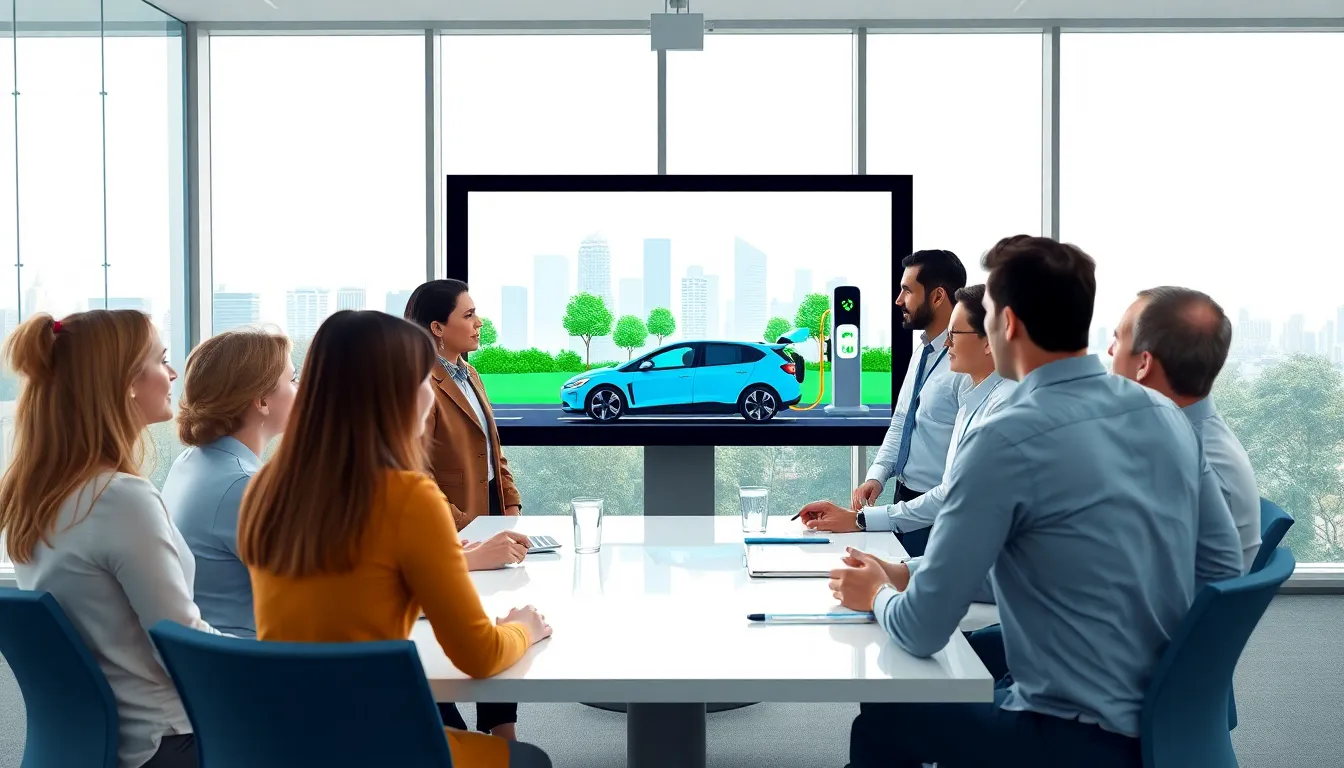
Electric vehicles provide substantial advantages for fleet management, focusing on cost savings and environmental impact.
Cost Savings
Savings become significant with electric vehicles in fleets. Fleet operators can reduce fuel costs by as much as 70 percent. Charging expenses typically amount to one-third of gasoline prices, making budgeting easier. Maintenance costs drop due to fewer mechanical components. Many fleet managers report lower repair expenses, contributing to long-term savings. Government incentives and rebates also enhance financial viability, encouraging investment in electric vehicles. With operational costs declining, fleet efficiency increases as spending aligns with sustainable practices.
Environmental Impact
Environmental benefits of electric vehicles influence fleet management positively. Lowering emissions supports corporate sustainability initiatives directly. Transitioning to electric fleets contributes to cleaner air, reducing the carbon footprint significantly. Many businesses align electric vehicle adoption with eco-friendly goals, appealing to environmentally conscious stakeholders. The overall reduction in greenhouse gases aids in combating climate change effectively. Additionally, noise pollution decreases, enhancing community wellbeing. By prioritizing electric vehicles, firms demonstrate a commitment to sustainability, fostering positive public perception.
Key Technologies in Electric Fleet Management
Electric fleet management relies on several key technologies that enhance operational efficiency and sustainability. These advancements play a significant role in optimizing fleet performance and reducing costs.
Telemetry and Telematics
Telemetry systems facilitate real-time monitoring of electric vehicles, offering insights into performance metrics. Data collected includes energy consumption, battery status, and driving habits. Telematics combines this information with GPS tracking to provide fleet managers with comprehensive visibility. Monitoring driving patterns helps identify opportunities for improvement, reducing overall energy use. Fleet managers often rely on this data to enhance route planning and optimize charging schedules. Improved driving habits not only increase safety but also extend vehicle lifespan.
Charging Infrastructure
Charging infrastructure is critical to the successful integration of electric vehicles in fleets. A robust network of charging stations ensures that electric vehicles remain operational with minimal downtime. Public charging stations provide accessible options, while workplace charging incentives support employees’ convenience. Smart charging solutions enable managers to manage energy distribution effectively, balancing demand and costs. Rapid charging stations allow for faster turnaround times, increasing vehicle availability. Fleet managers often prioritize establishing partnerships with charging networks to improve accessibility and reliability. The development of charging infrastructure directly impacts the efficiency and effectiveness of electric fleet operations.
Best Practices for Managing Electric Vehicle Fleets
Effectively managing electric vehicle fleets requires attention to specific strategies that enhance performance and sustainability.
Vehicle Selection
Choosing the right electric vehicle is crucial for fleet success. Analyze operational needs before making selections. Different vehicle types cater to various applications, such as delivery vans or passenger vehicles. Research available models that provide optimal range, performance, and charging capabilities. Companies can assess total cost of ownership, which includes purchase price, incentives, and expected maintenance savings. Prioritize vehicles that come with a strong warranty and proven reliability. Safety features also play a critical role in ensuring driver and passenger protection. Fleet managers often consider brands with established histories in electric vehicle technology for better support.
Maintenance and Servicing
Maintenance routines significantly impact electric vehicle longevity and performance. Implement regular software updates to ensure vehicles benefit from the latest enhancements. Focus on battery health, as it directly affects vehicle range and reliability. Schedule periodic inspections to check for any needed software, hardware, or tire adjustments. Training staff on electric vehicle systems fosters a better understanding of servicing requirements. Utilize telematics data to predict maintenance needs and address issues proactively. Keeping maintenance costs low is possible with fewer moving parts in electric vehicles, leading to lower overall expenses. Prioritize partnerships with specialized service centers for efficient repairs and expert guidance.
Challenges in Implementing Electric Fleet Management
Implementing electric fleet management poses several challenges that fleet operators must navigate to maximize benefits.
Infrastructure Costs
Infrastructure costs represent a significant barrier. Installing charging stations incurs substantial expenses, particularly in areas lacking existing infrastructure. Fleet operators must also consider ongoing electricity costs. Budgeting for charging equipment and its maintenance can strain resources. Allocating funds for upgrades to existing facilities may also be necessary to accommodate electric vehicles. Investments in smart charging solutions and energy management systems can provide long-term savings, but initial costs often pose challenges. Accessing government incentives or subsidies can help alleviate some of these financial burdens.
Driver Training
Driver training is essential for successful electric fleet management. Understanding electric vehicle (EV) systems differs from traditional vehicle systems. Fleet operators must ensure drivers grasp the nuances of EV operation, including regenerative braking and efficient charging practices. Comprehensive training programs focused on new technologies and best practices can help maximize efficiency. Adapting the training approach to suit various driver experience levels may enhance effectiveness. Equipping drivers with knowledge about vehicle range and optimal driving behaviors fosters a culture of sustainability. Monitoring driver performance through telematics provides feedback for ongoing improvement and accountability.
Transitioning to electric vehicles in fleet management isn’t just a trend; it’s a strategic move toward sustainability and cost efficiency. As businesses embrace this shift, they’re not only reducing their environmental impact but also unlocking significant savings on fuel and maintenance.
The advancements in technology and infrastructure support this evolution, making electric vehicles a viable option for fleets of all sizes. By prioritizing electric vehicles, companies position themselves as leaders in sustainability, appealing to eco-conscious consumers and stakeholders alike.
This shift represents a commitment to a cleaner future while enhancing operational efficiency. Fleet managers who adapt to these changes will likely find themselves at the forefront of innovation in their industries.