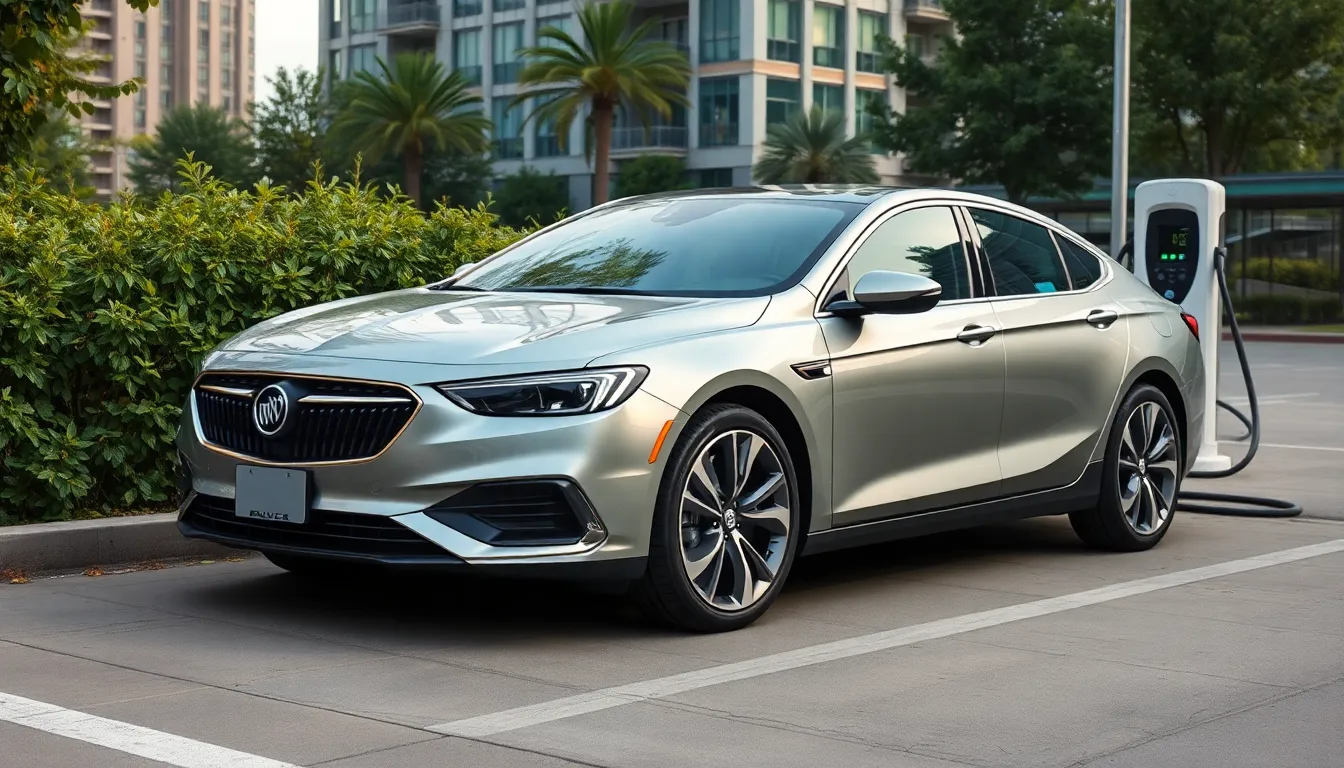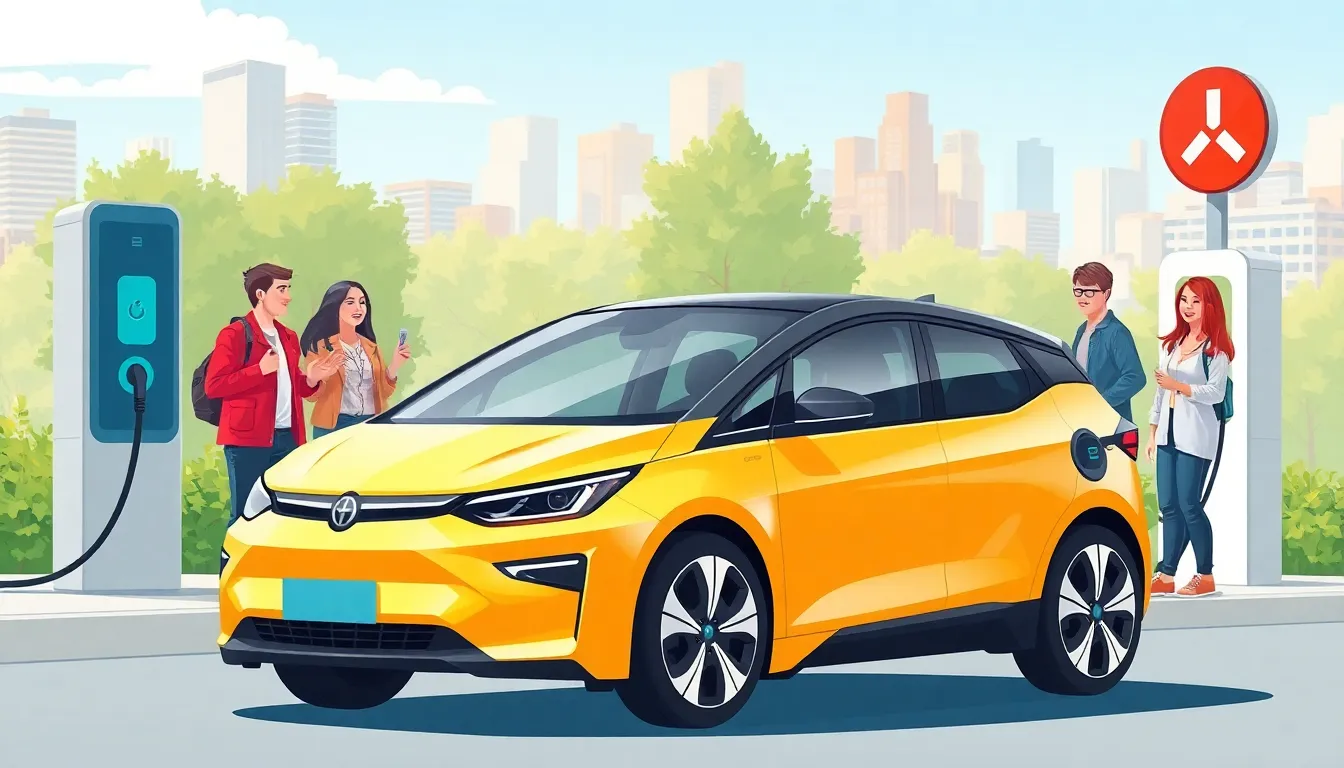
Electric vehicles are taking the world by storm, and for good reason. Imagine cruising down the road, feeling the thrill of instant torque while knowing you’re doing your part for the planet. It’s like driving a spaceship, minus the zero-gravity and space suits. But how do these sleek machines actually work?
How Do Electric Vehicles Work
Electric vehicles operate using electric motors powered by rechargeable batteries. The battery serves as a storage system for electricity, which the motor converts into movement. A typical EV battery contains lithium-ion cells, known for high energy density and longevity.
Regenerative braking plays a key role in increasing efficiency. These systems capture energy produced during braking and funnel it back into the battery, extending driving range. Furthermore, Electric motors provide acceleration quickly, offering instant torque that enhances performance.
Charging stations provide necessary energy to EVs. Public infrastructure includes standard and fast chargers, catering to various user needs. Home chargers, often Level 2, allow for convenient overnight charging, enabling daily use without range anxiety.
Battery management systems ensure optimal performance and safety. These systems monitor battery health, prevent overheating, and manage charging cycles to maximize battery lifespan. Manufacturers continuously innovate in battery technology to improve range and charging speeds further.
EVs employ on-board computers to manage vehicle functions. These systems provide real-time data on performance, energy consumption, and range estimates. Integration with smartphones also enhances user experience, allowing drivers to monitor charging status and locate nearby charging stations.
Overall, electric vehicles represent a shift towards sustainable transportation. They achieve efficiency through innovative battery technology, advanced motor systems, and smart integration, making them a viable alternative to traditional internal combustion vehicles.
Key Components of Electric Vehicles

Electric vehicles rely on several key components for optimal performance. Understanding these elements provides insight into their advanced technology.
Battery Technology
Lithium-ion batteries power electric vehicles, offering high energy density and long life cycles. These batteries charge quickly, reducing downtime during travel. The capacity often ranges from 20 kWh to 100 kWh, affecting driving range between 70 to 370 miles on a single charge. Battery management systems ensure safety, monitoring charge levels and temperature to prevent overheating. Innovations in battery recycling also promote sustainability, allowing for the reuse of materials.
Electric Motor
Electric motors convert electrical energy into mechanical energy to drive the vehicle. Most models use AC or DC motors, which provide instant torque for quick acceleration. With fewer moving parts, electric motors require less maintenance compared to internal combustion engines. Their design allows for high efficiency typically around 90%. This efficiency translates to reduced energy consumption, making electric vehicles more economical over time.
Regenerative Braking
Regenerative braking captures kinetic energy during braking, converting it back into electrical energy. This process extends the driving range by partially recharging the battery. When drivers apply brakes, the electric motor operates in reverse, slowing the vehicle while generating energy. Regenerative braking systems enhance overall efficiency, reducing wear on conventional brakes. As a result, they contribute significantly to the longevity of brake components and improve energy management strategies in electric vehicles.
How Electric Vehicles Are Charged
Charging electric vehicles (EVs) involves connecting them to a power source to replenish their batteries. Charging infrastructure includes various options for convenient recharging.
Charging Stations
Public charging stations provide accessible locations to charge EVs. Fast charging stations can deliver up to 350 kW, enabling drivers to recharge batteries to 80% in approximately 30 minutes. Level 2 charging stations, providing around 7.2 kW, typically require 4 to 8 hours for a full charge. Locations often include shopping centers, parks, and highway rest areas. This widespread availability supports longer trips and eases range anxiety.
Home Charging Options
Home charging offers convenience for EV owners. Level 1 chargers plug into standard 120V outlets, providing about 2 to 5 miles of range per hour of charging, ideal for overnight use. Level 2 chargers, with 240V capability, can deliver up to 25 miles of range per hour and are recommended for daily use. Installing a home charging station reduces reliance on public infrastructure and facilitates easy overnight charging, ensuring the vehicle is ready for each day. Costs for home charging units average between $500 and $2,500, plus installation fees.
Benefits of Electric Vehicles
Electric vehicles (EVs) offer numerous advantages that contribute to a sustainable future. Their benefits extend beyond performance, encompassing significant reductions in environmental impact and improved cost efficiency.
Environmental Impact
Electric vehicles play a crucial role in reducing greenhouse gas emissions. They produce no tailpipe emissions, which significantly improves air quality in urban areas. Studies show that EVs contribute to a reduction in overall carbon emissions, particularly when charged from renewable energy sources. Transitioning to electric mobility helps decrease dependence on fossil fuels, fostering a cleaner environment. Wildlife and natural habitats benefit from reduced pollution. Electric vehicles also operate quietly, lessening noise pollution in densely populated regions.
Cost Efficiency
Cost efficiency stands out as a key advantage of electric vehicles. Compared to traditional gasoline vehicles, EVs offer lower operating costs. Owners spend less on fuel, with electricity prices often significantly lower than gasoline prices. Maintenance costs drop as well since electric drivetrains require fewer repairs than internal combustion engines. Battery longevity guarantees reliability, often exceeding 100,000 miles. Tax incentives and rebates for purchasing electric vehicles further enhance the total cost savings, making EVs a financially prudent choice over time.
Challenges of Electric Vehicles
Electric vehicles face several challenges that can affect their adoption and use. Understanding these challenges is crucial for potential buyers and policymakers.
Range Anxiety
Range anxiety affects many electric vehicle users. EVs can travel between 70 and 370 miles on a single charge, creating concern for long-distance travel. Drivers worry about running out of battery before reaching charging stations. This uncertainty often leads to hesitance in choosing electric vehicles over conventional cars, especially for those who frequently undertake long journeys. Furthermore, public awareness of battery capacities varies, making it essential to educate consumers on driving range improvements and efficient route planning.
Charging Infrastructure
Charging infrastructure plays a pivotal role in electric vehicle adoption. Public charging stations vary from fast chargers, which can replenish batteries to 80% in about 30 minutes, to Level 2 systems that require 4 to 8 hours for a complete charge. Insufficient charging locations can deter potential buyers from choosing EVs. Home charging solutions also differ, with Level 1 chargers offering slow overnight options while Level 2 chargers provide daily convenience. Evaluating the availability and accessibility of charging options is vital for easing range anxiety and enhancing overall user experiences.
Electric vehicles represent a transformative shift in the automotive industry. Their innovative technology not only enhances performance but also promotes environmental sustainability. With advancements in battery technology and charging infrastructure, EVs are becoming more accessible and efficient.
As the world moves towards greener alternatives, electric vehicles are poised to play a crucial role in reducing emissions and improving air quality. The combination of lower operating costs and government incentives makes them an attractive option for consumers.
Understanding how electric vehicles work empowers potential buyers to make informed decisions, paving the way for a cleaner and more sustainable future in transportation.