In a world where gas prices seem to rise faster than a teenager’s mood swings, electric vehicles (EVs) are the heroes we didn’t know we needed. These sleek machines not only save the planet but also save drivers a pretty penny at the pump—or rather, the charging station. With advancements in technology, the most efficient electric vehicles are turning heads and changing the game, proving that going green doesn’t mean sacrificing style or performance.
Imagine gliding silently down the road, knowing you’re not just reducing your carbon footprint but also outsmarting those gas-guzzlers that used to dominate the streets. From impressive range capabilities to mind-blowing acceleration, today’s EVs are here to redefine what it means to drive efficiently. Buckle up as we explore the top contenders in the race for efficiency, and discover why these electric marvels are worth every watt.
Understanding Electric Vehicle Efficiency
Electric vehicle efficiency refers to the effective use of energy to maximize performance. Measuring efficiency typically involves energy consumption and range per unit of energy.
Definition of Efficiency in Electric Vehicles
Efficiency in electric vehicles quantifies how effectively these cars convert electrical energy into distance traveled. Common metrics include miles per kilowatt-hour (miles/kWh) or energy consumption in watt-hours per mile (Wh/mi). Higher values indicate better efficiency, highlighting how far a vehicle travels using a specific amount of electricity. Many manufacturers provide energy ratings, allowing consumers to compare different models easily. Well-designed electric vehicles often exhibit efficiency rates exceeding 4 miles per kilowatt-hour, making them more economical than their gasoline counterparts.
Factors That Influence Efficiency
Several factors significantly impact electric vehicle efficiency. Battery size and technology play crucial roles, as larger batteries or more advanced technologies often support longer ranges. Vehicle weight and aerodynamics also matter; lighter and more aerodynamic designs reduce energy consumption. Driving habits, such as acceleration styles and speeds, contribute directly to efficiency levels. Environmental conditions, including temperature and terrain, can also affect performance, with colder weather typically reducing battery efficiency. Maintaining proper tire pressure and conducting regular maintenance further supports optimal energy usage.
Top Efficient Electric Vehicles of 2023
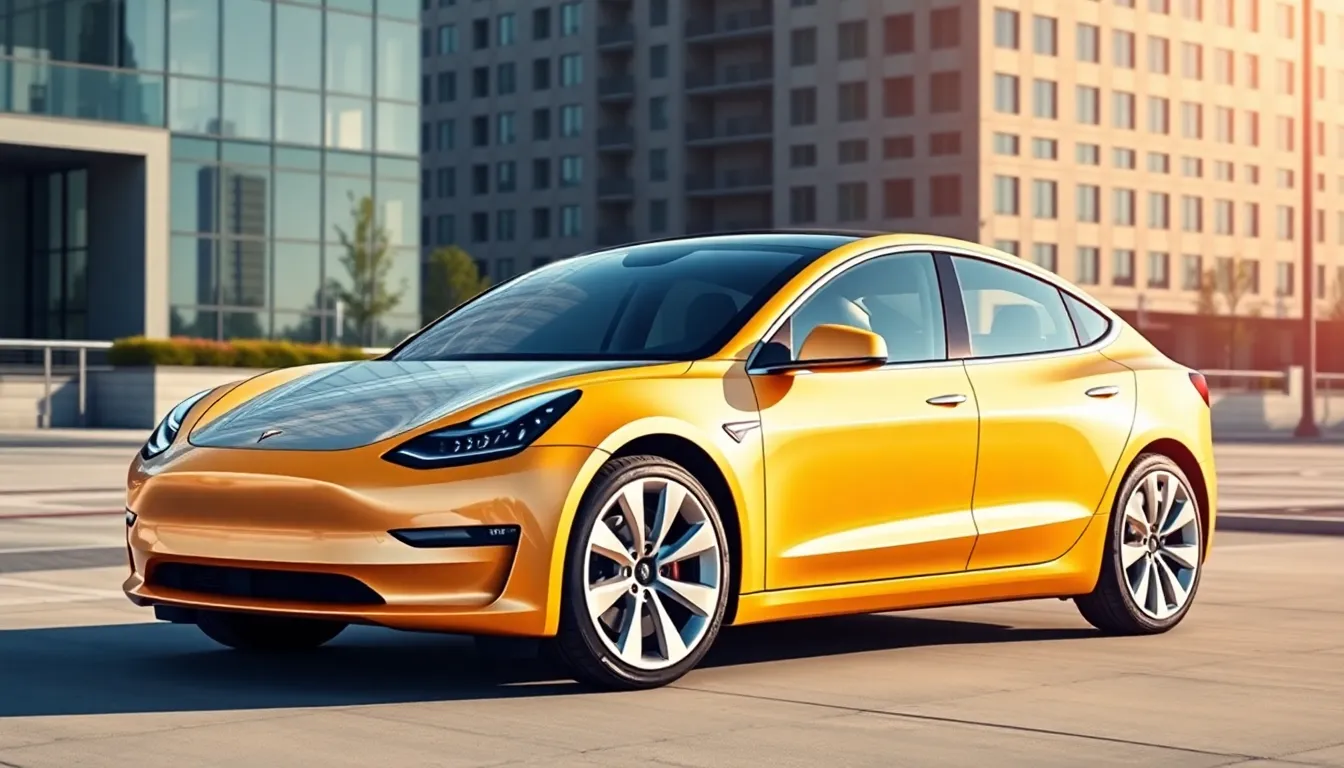
The latest electric vehicles showcase remarkable efficiency and innovation. Each model brings unique advantages, pushing the boundaries of performance and sustainability.
Featured Model: Tesla Model 3
Tesla Model 3 stands out with its impressive efficiency rating of approximately 4.1 miles per kilowatt-hour. This sedan combines sleek design with cutting-edge technology, making it a favorite among EV enthusiasts. Acceleration from 0 to 60 mph occurs in just 3.1 seconds, offering both speed and efficiency. With a range of up to 358 miles on a single charge, it meets the needs of daily commuters and road trip lovers alike. Tesla’s Supercharger network enhances convenience by allowing quick charging at numerous locations nationwide.
Featured Model: Hyundai Kona Electric
Hyundai Kona Electric offers exceptional performance with an efficiency rating reaching 4.6 miles per kilowatt-hour. Compact yet spacious, this SUV is perfect for urban driving and adventures. Its electric motor produces 201 horsepower, delivering a satisfying driving experience. A range of about 258 miles ensures drivers have ample distance for their journeys. The Kona Electric’s thoughtful features, such as regenerative braking and a user-friendly infotainment system, contribute to an enjoyable experience on the road.
Featured Model: Chevrolet Bolt EV
Chevrolet Bolt EV shines in efficiency, achieving around 4.2 miles per kilowatt-hour. Its practicality and affordability appeal to a wide audience, especially first-time EV buyers. With a robust 66 kWh battery, it provides a driving range of up to 259 miles. Bolts can accelerate from 0 to 60 mph in 6.5 seconds, making it competitive in its class. Additionally, the spacious interior and advanced safety features make it a solid choice for families and individuals seeking reliability alongside efficiency.
Benefits of Driving Efficient Electric Vehicles
Efficient electric vehicles (EVs) offer significant advantages, enhancing both economic and environmental aspects of driving.
Cost Savings on Fuel and Maintenance
Cost savings emerge as a primary benefit of driving efficient EVs. With the Tesla Model 3 achieving approximately 4.1 miles per kilowatt-hour, owners experience lower fuel costs compared to gas-powered vehicles. The Hyundai Kona Electric, with an impressive efficiency of 4.6 miles per kilowatt-hour, allows drivers to stretch their budgets further. Maintenance costs also decrease since EVs have fewer moving parts, eliminating the need for oil changes and reducing brake wear due to regenerative braking. Furthermore, many electric vehicles come with warranties covering battery maintenance, further alleviating potential long-term expenses.
Environmental Impact and Sustainability
Environmental impact significantly improves when driving efficient electric vehicles. Enhanced efficiency, such as the Chevrolet Bolt EV’s 4.2 miles per kilowatt-hour, leads to reduced energy consumption and decreased greenhouse gas emissions. EVs produce no tailpipe emissions, contributing to cleaner air in urban areas. Sustainability manifests through the use of renewable energy sources for charging, which minimizes carbon footprints. Additionally, efficient EVs often use recyclable materials in their design and manufacturing, supporting a circular economy and reducing waste. Choices made today, such as opting for an efficient electric vehicle, positively affect future sustainability efforts.
Future of Electric Vehicle Efficiency
Electric vehicle efficiency continues to evolve, driven by technological advancements and changing consumer demands.
Emerging Technologies
Innovative battery technologies are enhancing energy density, allowing vehicles to travel longer distances on a single charge. Solid-state batteries show promise, potentially offering higher efficiency and faster charging compared to traditional lithium-ion batteries. Furthermore, advancements in regenerative braking systems increase overall energy recovery during driving. Lightweight materials, such as carbon fiber and aluminum, contribute to reduced vehicle weight, improving efficiency. Additionally, AI-driven systems optimize driving performance, adapting to individual driving styles and conditions. These technological innovations create more sustainable options while enhancing the driving experience.
Predictions for the Next Decade
Over the next decade, analysts expect electric vehicle efficiency to significantly improve. Experts predict vehicles achieving efficiency ratings exceeding 5 miles per kilowatt-hour by 2030. Infrastructure enhancements, including widespread fast-charging networks, will further support the growth of electric vehicles. Greater integration of renewable energy sources for charging is anticipated, leading to reduced carbon footprints. Consumer preferences may shift towards more efficient models, encouraging manufacturers to prioritize efficiency in their designs. Ultimately, the future of electric vehicle efficiency appears promising, contributing to a more sustainable transportation landscape.
The shift toward efficient electric vehicles marks a significant step in sustainable transportation. As technology continues to advance manufacturers are committed to enhancing performance while minimizing environmental impact. Efficient EVs not only provide economical benefits but also contribute to a cleaner planet.
With models like the Tesla Model 3 and Hyundai Kona Electric leading the way drivers can enjoy impressive range and acceleration without the burden of high fuel costs. As the industry evolves the future looks bright for electric vehicles promising even greater efficiency and innovation. Embracing these advancements will play a crucial role in shaping a sustainable future for generations to come.